Every family that comes to us is walked through a careful, prayerful, and transparent process — from first contact to a lasting, sustainable livelihood.
Every family goes through a careful and prayerful review process. Selection includes:
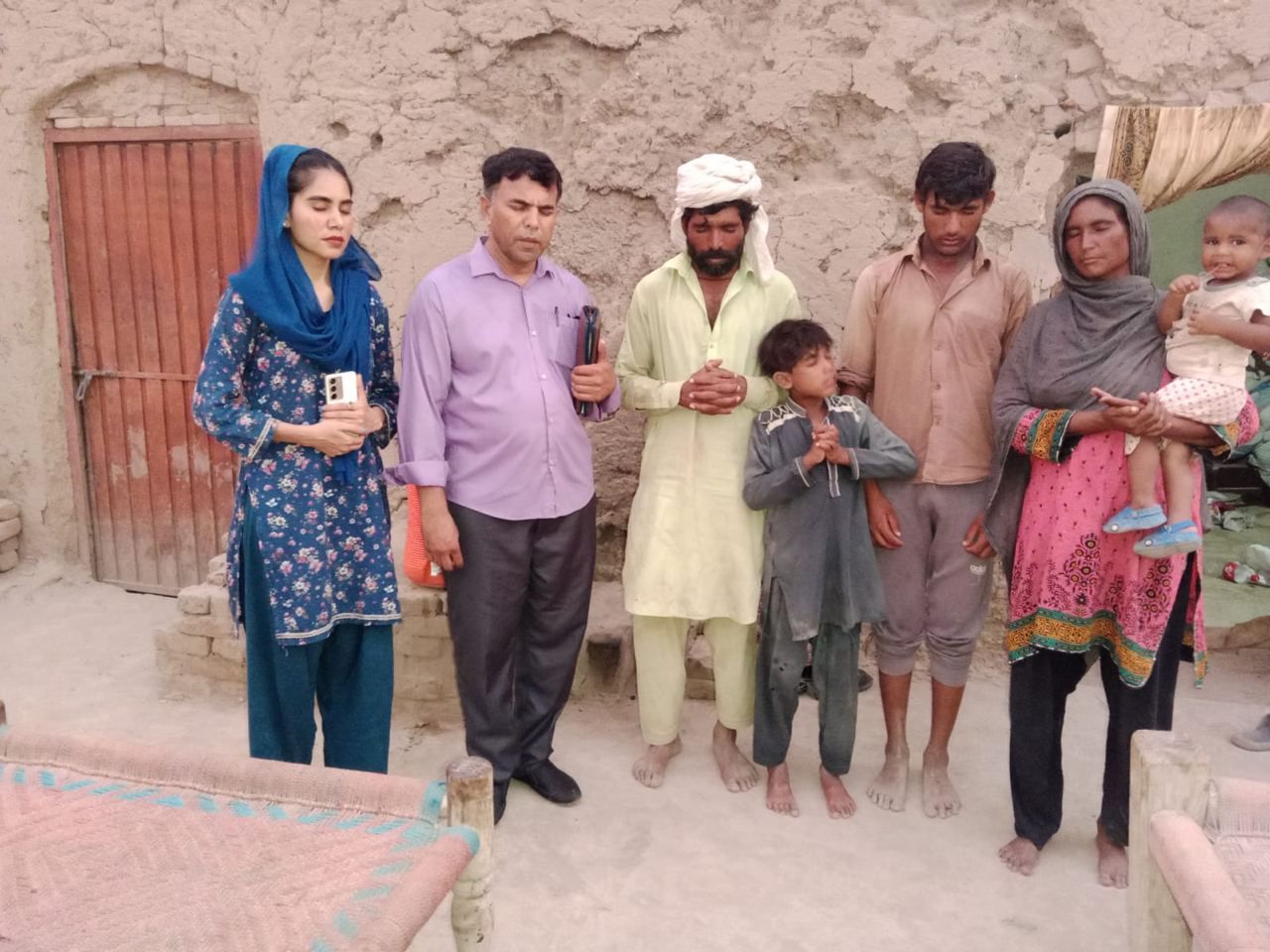
Before any assistance is provided, our ministry will:
One of the biggest concerns people have is what prevents a brick kiln owner from forcing a family back into slavery after their debt has been paid. We take this concern seriously, and we have built a clear safeguard into every debt settlement.
To protect the family, we prepare a written agreement at the time the debt is paid. A notary public is present to witness the transaction and prepare the agreement, and both parties sign it. The family receives a copy, and we keep another in our records.
If a landlord later tries to force the family back into bonded labor or falsely claims a debt still exists, this signed and notarized agreement serves as evidence that the debt was fully paid and the family was released.
We work with each family to identify their skills, interests, and abilities, so we can help them choose the best path for long-term success. Some of the income opportunities we are considering include:
Motorcycle/bicycle mechanics, mobile phone repair, welding & metalwork, carpentry
Kiryana (grocery) shops, fruit & vegetable stalls, second-hand goods, scrap shops
Tea & street food, small bakeries, fresh milk and dairy products
Poultry, goats and cows, vegetable farming on rented land
Rickshaws or motorcycles for delivery and transport services
Tailoring & sewing, barber shops & beauty salons
Every business is intended to create long-term sustainability rather than short-term relief — a foundation families can build upon for years to come.
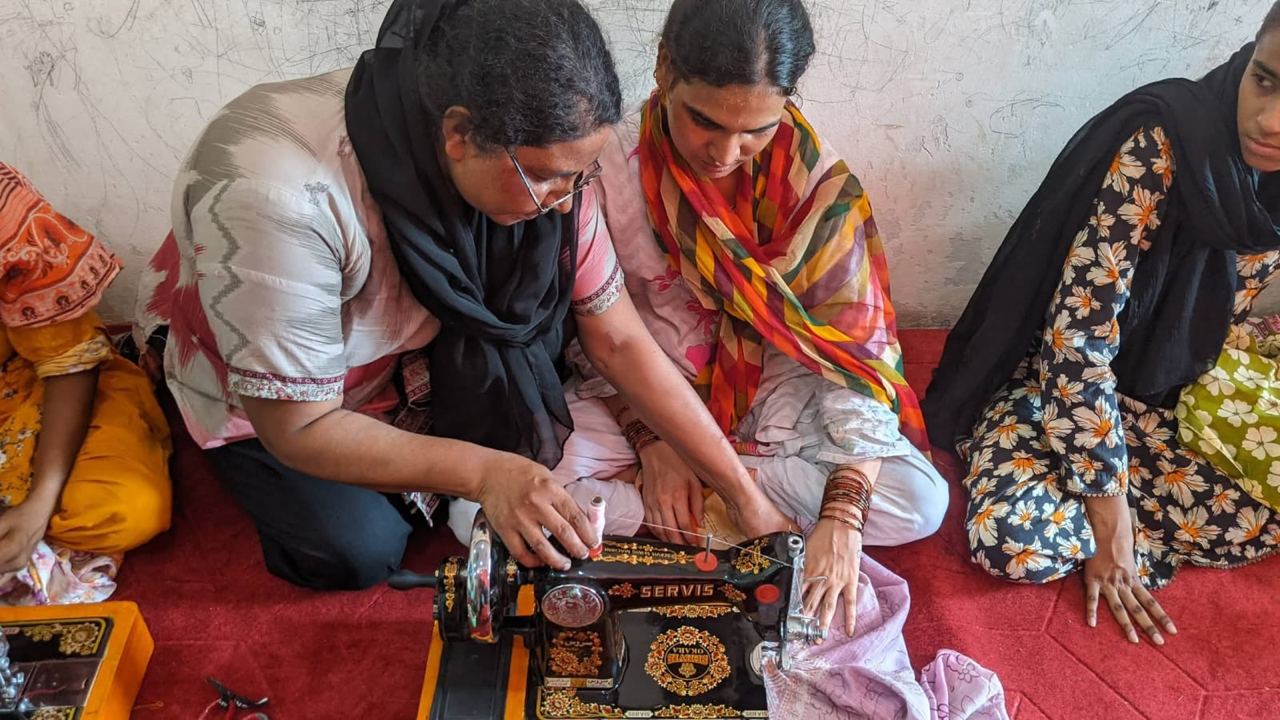
For families provided with a rickshaw, we offer a flexible approach that removes unnecessary financial pressure while allowing Redeemer's Restoration International to help many families over the years.
A family can purchase the rickshaw from Redeemer's Restoration International over time through an agreed payment plan. Their payments are placed into a savings account used to help other families in need.
A family can use the rickshaw to earn income without requiring repayment. If they no longer need it, they simply return it so it can be given to another family in need.